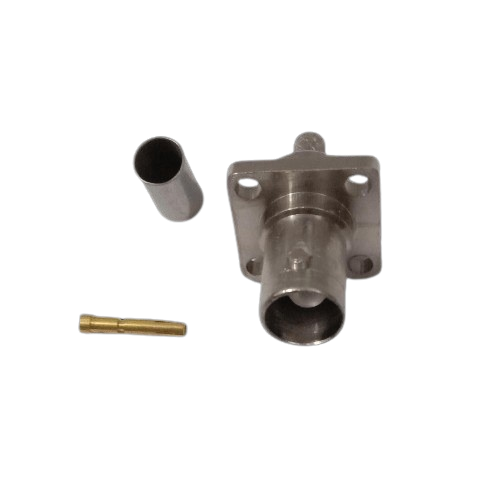
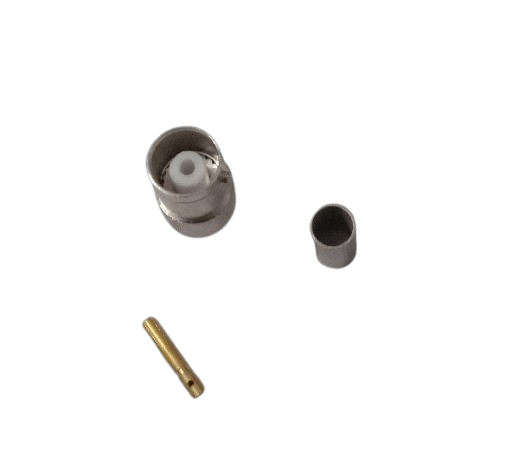
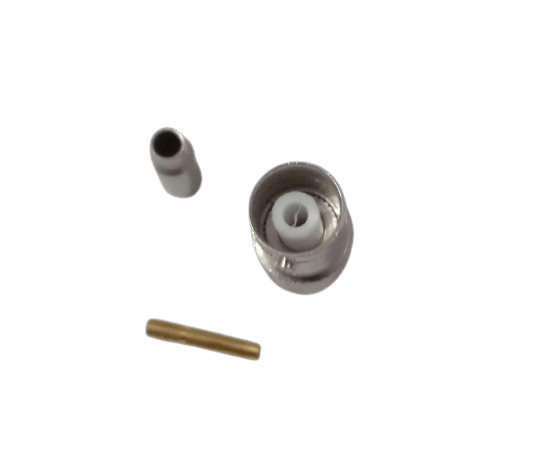
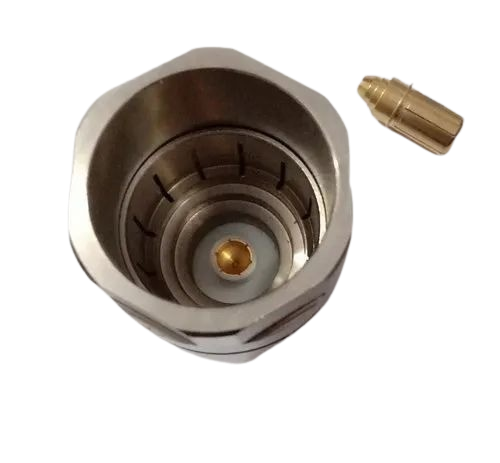
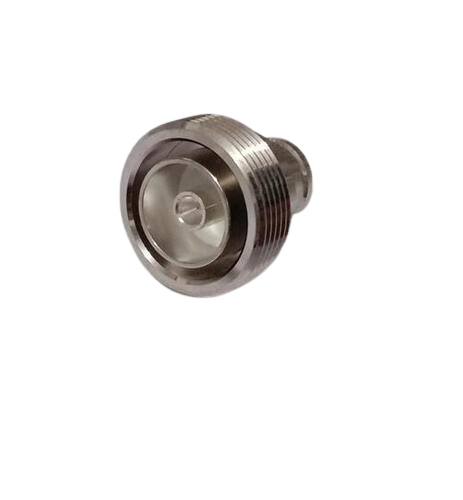
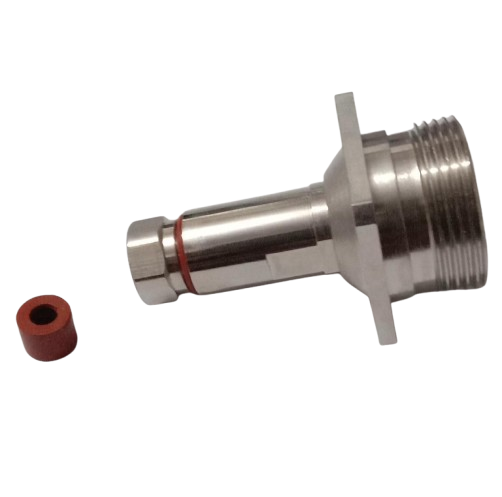
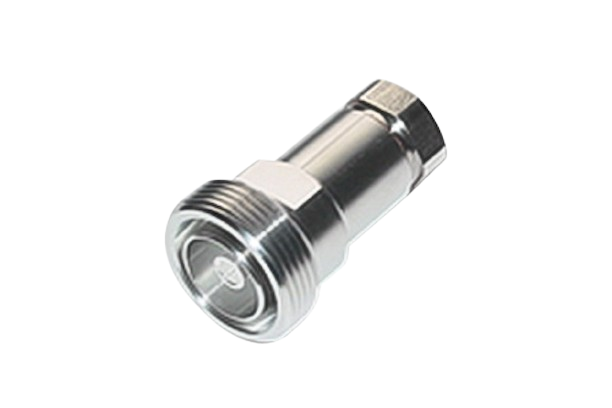
LMR-200 Cable: Specifically designed to fit LMR-200 coaxial cables, which are known for their low-loss characteristics and are commonly used in RF and communication systems. Connector Type: Female BNC: The connector has a female BNC interface, which means it has an inner pin that fits into a male BNC connector. This type of connector is typically used on the end of a cable that will connect to other BNC male connectors. Crimping Method: Crimp Connector: This involves crimping the connector to the cable using a crimp tool. The crimping process ensures a tight, reliable connection and minimizes signal loss. Design Specifications: Frequency Range: Typically supports a wide frequency range suitable for many RF applications. Exact performance can vary by manufacturer but generally covers up to several GHz. Impedance: 50 Ohms: Most BNC connectors, including those for LMR-200 cables, are designed for 50-ohm impedance, which is standard for most RF applications. Material: Metal Housing: Usually made from durable metal such as brass or stainless steel to ensure reliability and resistance to wear and environmental factors. Gold or Silver Plating: Often, the inner contacts are plated with gold or silver to improve conductivity and prevent corrosion. Construction: Body: The body of the connector is designed to be mounted on the coaxial cable, with provisions for crimping the outer shield and center conductor of the cable to the connector. Installation: Preparing the Cable: Strip the Cable: Carefully strip the insulation from the end of the LMR-200 cable, exposing the center conductor and the outer shield. Make sure not to nick or damage the conductor. Prepare the Connector: Slide the connector’s crimp ring onto the cable before attaching the connector body. Attaching the Connector: Insert the Cable: Insert the prepared cable into the BNC female connector, ensuring the center conductor makes contact with the inner pin of the connector. Crimp the Connector: Use a crimp tool to crimp the connector’s outer ring onto the cable’s shield. This will secure the connector to the cable and ensure proper electrical contact.