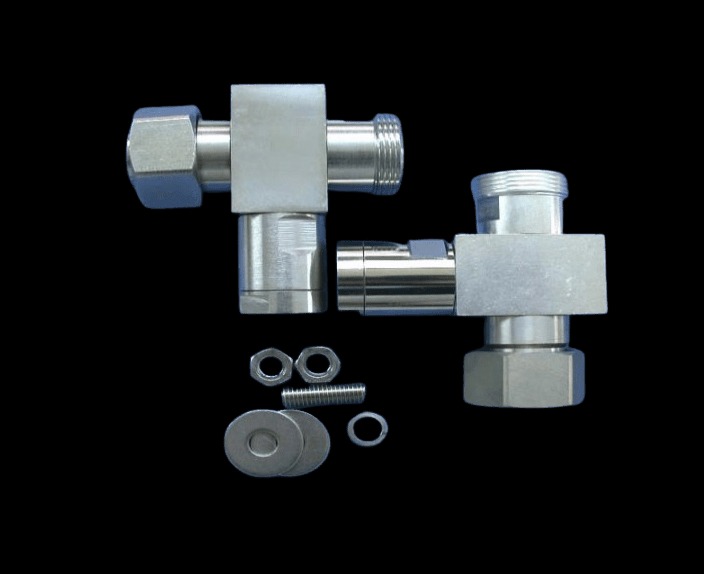
Specifications Connector Types: DIN Male (M): External threads and center pin. DIN Female (F): Internal threads and center contact. Configuration: T-Shape: One DIN Female connector on the vertical leg of the T. Two DIN Male connectors on the horizontal legs. Frequency Range: Typically Up to 6 GHz: Depending on the specific model, some might support higher frequencies, but 6 GHz is common for many surge arrestors. Impedance: 50 ohms: Standard for RF and microwave applications, ensuring compatibility with most RF equipment and minimizing signal reflections. Surge Protection: Surge Rating: Designed to handle high-energy surges. Common surge ratings are around 10 kA (kiloamperes) or higher. Clamping Voltage: The voltage at which the surge arrestor begins to conduct and divert the surge. This can vary, but typical values might be 600V, 1000V, or higher. Insertion Loss: Low Insertion Loss: Typically around 0.2 dB to 0.5 dB, minimizing signal attenuation. Return Loss: Typical Values: Usually around -20 dB or better, indicating good performance and minimal signal reflection. Materials: Body: Typically made from aluminum, stainless steel, or brass, often with a coating or plating for corrosion resistance. Insulator: Often PTFE (Teflon) or similar low-loss dielectric material to maintain impedance. Construction: Bulkhead Mounting: Designed for mounting through a panel or enclosure. Durability: Built to withstand harsh environmental conditions and provide reliable protection. Applications RF Equipment Protection: Protects antennas, cables, and other RF equipment from damage due to electrical surges. Communication Systems: Used in systems where surge protection is essential for maintaining equipment reliability. Broadcasting: Protects broadcasting equipment from electrical surges. Aerospace and Defense: Ensures sensitive equipment in these fields is protected from surges. Performance Characteristics High Surge Protection: Provides robust protection against high-energy surges. Low Loss: Ensures minimal impact on signal quality. Secure Connection: Offers a stable connection with minimal signal loss. Considerations Connector Compatibility: Ensure that the DIN connectors match those in your system. Surge Rating: Check that the surge rating and clamping voltage are suitable for your application’s needs. Frequency Range: Verify that the frequency rating of the surge arrestor meets your application requirements.